In 1980, the Arizona prison population stood at fewer than 4,000 people. Today, it hovers around 35,000. This explosion in the number of incarcerated people did not happen by accident, nor was it the inevitable result of a rising crime rate. Instead, it was the predictable outcome of decades of policy choices.
The state now has the fourth-highest imprisonment rate in the United States, locking up a higher percentage of its residents than almost any independent democracy on earth. As the human and financial costs continue to mount, a growing bipartisan consensus is emerging: Arizona's approach to criminal justice is unsustainable.

The Historical Roots of Arizona's Incarceration Boom
The foundation of Arizona's mass incarceration crisis was laid in the late 20th century during a national shift toward "tough-on-crime" rhetoric. In 1993, Arizona lawmakers passed a sweeping "truth-in-sentencing" law that eliminated parole for offenses committed after January 1, 1994, and mandated that almost all incarcerated people serve at least 85 percent of their sentences, regardless of their behavior or rehabilitation efforts.
Alongside truth-in-sentencing, Arizona expanded its use of mandatory minimums and severe sentencing enhancements. Proposition 301, passed by voters, mandated prison time for first or second convictions of possession or use of methamphetamine. The power in the courtroom shifted from judges — who could previously consider the nuances of a case — to prosecutors, who use the threat of mandatory minimums to extract plea deals.
Between 2000 and 2017 alone, the state's prison population grew by 60 percent, despite a mere 33 percent increase in the general population and declining violent and property crime rates.
Current Conditions: A System Overwhelmed
Today, the ADCRR oversees a massive and expensive bureaucracy. In 2024, the department's budget was roughly $1.47 billion. Arizona spends almost 60 percent more on prisons than it does on its state universities. The vast majority of people entering Arizona prisons are not violent offenders. More than half were incarcerated for non-violent offenses, with drug offenses accounting for nearly one in three admissions.
Racial and Ethnic Disparities
The burden of mass incarceration does not fall equally. While Black people make up only 5 percent of the state's population, they account for 14 percent of the prison population. Hispanic individuals comprise 31 percent of the state population but 37 percent of prison admissions. An analysis of the Maricopa County Attorney's Office found that Black and Hispanic people spend significantly more time incarcerated than white people for similar offenses. White defendants are significantly more likely to have their cases dismissed entirely.
The Crisis for Women and Families
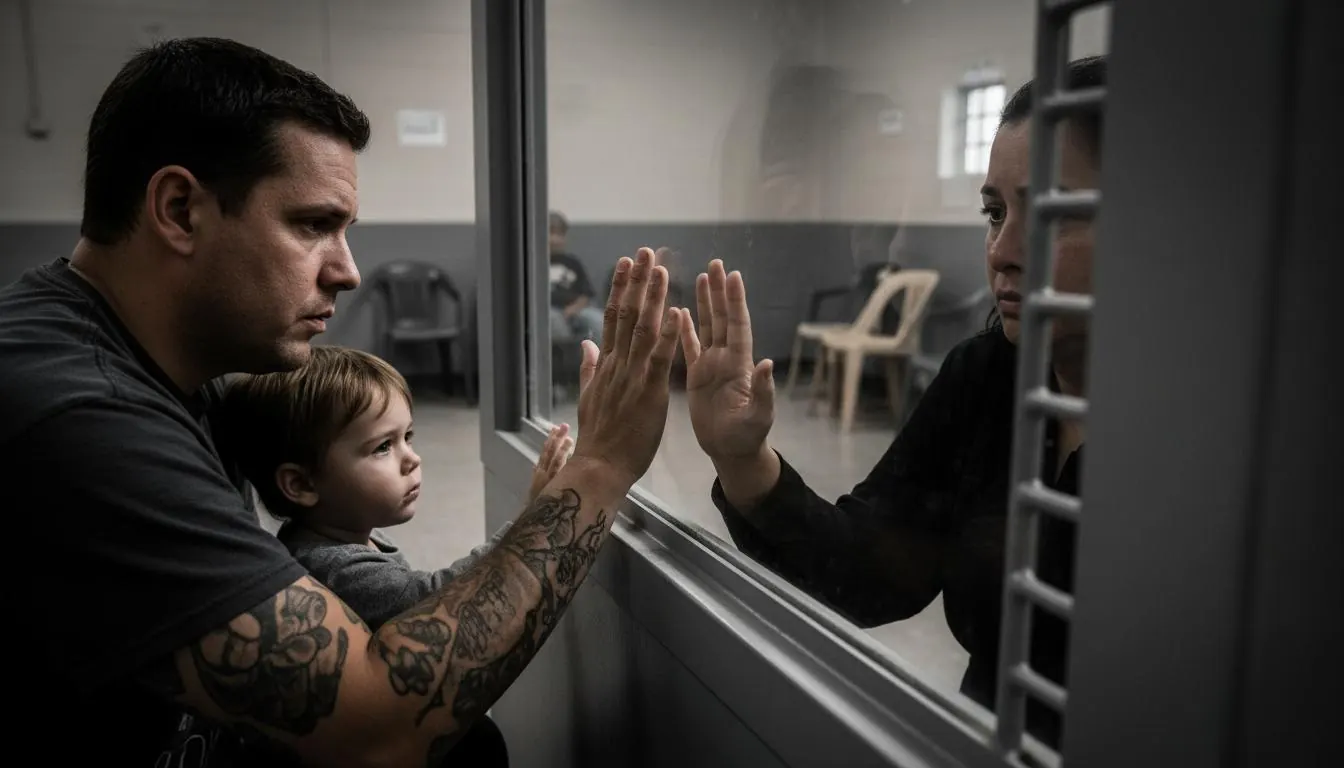
Arizona has become a global epicenter for the incarceration of women. The state's female imprisonment rate is roughly double the national average. Since 2000, the number of women in Arizona's prisons has more than doubled. Eight out of ten are incarcerated for non-violent offenses, primarily related to drug possession and property crimes. Many are mothers with histories of trauma, physical abuse, and severe, unmet substance use and mental health needs.
"Arizona spends almost 60 percent more on prisons than it does on its state universities."
The Political Economy of Incarceration
Arizona has aggressively outsourced its incarceration, with roughly 20 percent of its prison population held in private, for-profit facilities — a rate more than four times the national average. Corporations like CoreCivic and the GEO Group have a vested financial interest in maintaining high incarceration rates, paid a per-diem rate for every bed filled.
Evidence-Based Solutions
1. Repeal Mandatory Minimums and Truth-in-Sentencing. Arizona must restore judicial discretion by scaling back or eliminating mandatory minimum sentences and the "repetitive offender" enhancements. Reform the 85 percent truth-in-sentencing law, reducing it to 50 or 60 percent for non-violent offenses.
2. Defelonize Drug Possession. Drug addiction is a public health issue, not a criminal justice problem. Reclassify simple drug possession from a felony to a misdemeanor and redirect resources to community-based substance use treatment.
3. Invest in Reentry and Diversion Programs. Robust funding for reentry programs providing housing, employment training, and behavioral health services. Expand diversion programs and specialty courts.
4. Eliminate Collateral Consequences. Dismantle the legal barriers to employment and housing, restore voting rights automatically upon release, and ease restrictions on occupational licensing.
5. Establish Independent Oversight. Given catastrophic failures in prison healthcare, Arizona must establish robust, independent oversight of the ADCRR with the authority to inspect facilities, investigate complaints, and mandate changes.

Conclusion
The legacy of mass incarceration in Arizona is one of profound failure. By clinging to outdated, punitive policies, the state has devastated communities, perpetuated racial injustice, and squandered billions of dollars, all without making its citizens safer. The path forward is clear: embracing evidence-based reforms, restoring judicial discretion, treating addiction as a health crisis, and investing in people rather than prisons.
Take Action
It's time to rethink justice in Arizona. The path forward embraces evidence-based reforms and invests in people rather than prisons.
Join the Movement: Head to the Action Center to demand an end to truth-in-sentencing laws. Support our community-driven reforms by giving to Praxis.
Discover Our Programs: Learn how our Skills Training and Arts in Prison initiatives are building new pathways for returning citizens.