On June 6, 2018, inside the Morey Unit at Arizona's Lewis Prison outside Buckeye, the overnight shift began like any other. Incarcerated people were supposed to be locked in their cells. The doors were designed to open only from a control room, one at a time, with officers monitoring every movement.
But the doors didn't lock. And they hadn't locked for years.
For more than 35 minutes that night, at least six free-roaming individuals repeatedly entered and exited cell #16 — a corner cell on the second floor — without restriction and without corrections officers knowing what was happening. Inside that cell was Andrew McCormick. Officers found him badly beaten, with injuries so severe that he would later die in the hospital from complications of the assault.
"Of all of the places for locks not to be working, for the safety of inmates and officers alike, what the heck?" Andrew's mother, Jodie McCormick, asked through tears. "It makes absolutely no sense."
The question that haunts McCormick's death — and every violent incident that followed — is simple: How did this happen, and why didn't anyone stop it?
A History of Broken Promises
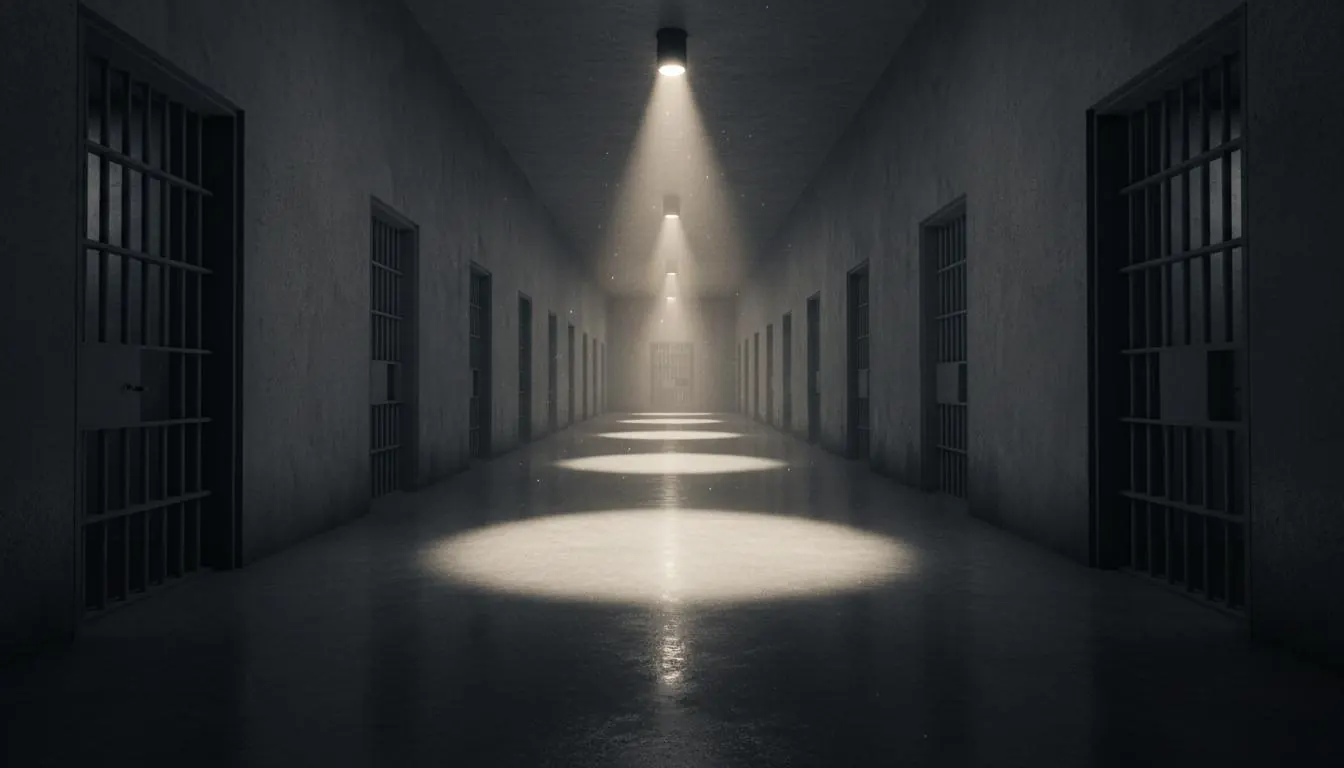
The lock problems at Lewis Prison weren't new. In 1997, at Perryville prison, faulty locks that officials had "known about since 1988" allowed one incarcerated person to free another, who stabbed a corrections officer to death. Three years later, a female nurse was attacked by a male incarcerated person. Faulty cell door locks played a role in both cases. The pattern was set: problems identified, requests made, funding denied, people hurt or killed.
Fast forward to 2018. An ABC15 investigation found that officers had requested 1,675 lock and door repairs at Lewis between July 2018 and April 2019. Sometimes months went by without repairs.
"It's become so common it becomes part of their culture. The staff, god bless them, but they don't even realize what a horrible situation they're stuck in."
— Carlos Garcia, retired 20-year DOC veteran
The Human Toll
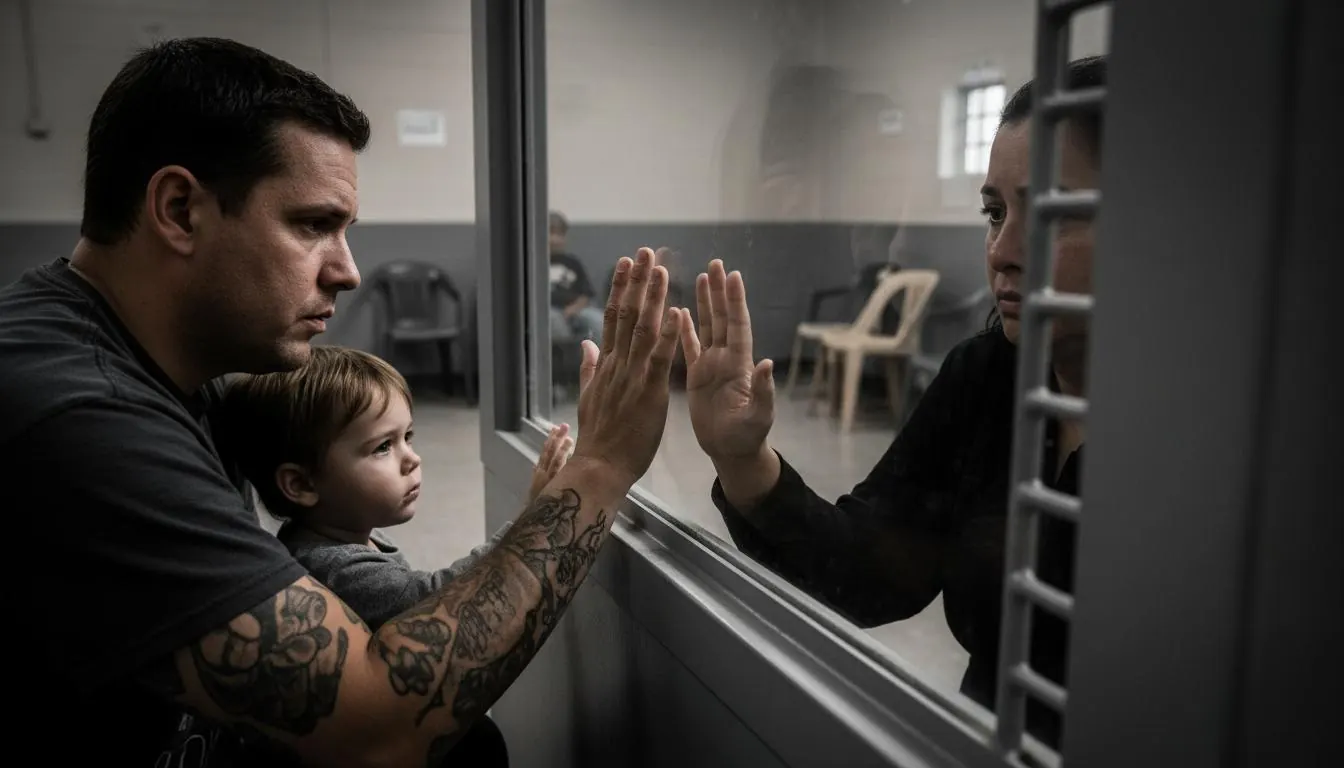
Andrew McCormick was 46 years old when he died. The internal investigation revealed something even more disturbing: the officer overseeing the pod from the control room had been suspended because investigators found he was talking "excessively" on the phone for hours instead of monitoring the incarcerated people.
But the officer wasn't the only one who had given up. Interviews with prison staff revealed a culture of acceptance. Officers had accepted the doors didn't work and wouldn't get fixed anytime soon. They had all but given up on trying to follow proper safety and security policies. "I mean, we don't allow having multiple cells open at a time, but yes it's the norm," one officer told investigators.
In fiscal year 2025 alone, there were 11 homicides in Arizona's state correctional facilities. The whistleblower who helped expose the Lewis lock scandal — 31-year-old Gabriela Contreras, a corrections officer — was found dead in March 2020.
The Funding Failure
A 2021 investigation by two former Arizona Supreme Court chief justices found that staffing issues caused by chronic underfunding by the legislature were a prime factor in the Department of Corrections' failure to remedy the faulty locks. Between fiscal year 2005 and 2020, the Corrections Department requested a total of $583 million to replace and repair locking systems. The Arizona Department of Administration adjusted those requests to $114 million. Legislators provided a total of just $6.7 million during those 16 years. That's less than 1.2 percent of what was originally requested.
What Independent Oversight Could Have Done
A functioning independent oversight office could have identified the lock problem earlier by seeing the 1,675 repair requests piling up. It could have provided a safe avenue for whistleblowers like Gabriela Contreras to report problems without fear of retaliation. It would have required annual public reporting tracking deaths, assaults, lockdowns, and violence — exposing the crisis long before videos leaked. It could have broken the culture of complacency and prevented the need for federal intervention.
"I watched people die. I watched a guy lose a leg. I watched my friend go blind. It was crazy. It was insane in there."
— John Fabricius, Praxis Initiative Executive Director, formerly incarcerated in ADCRR for 15 years
The Oversight That Almost Was
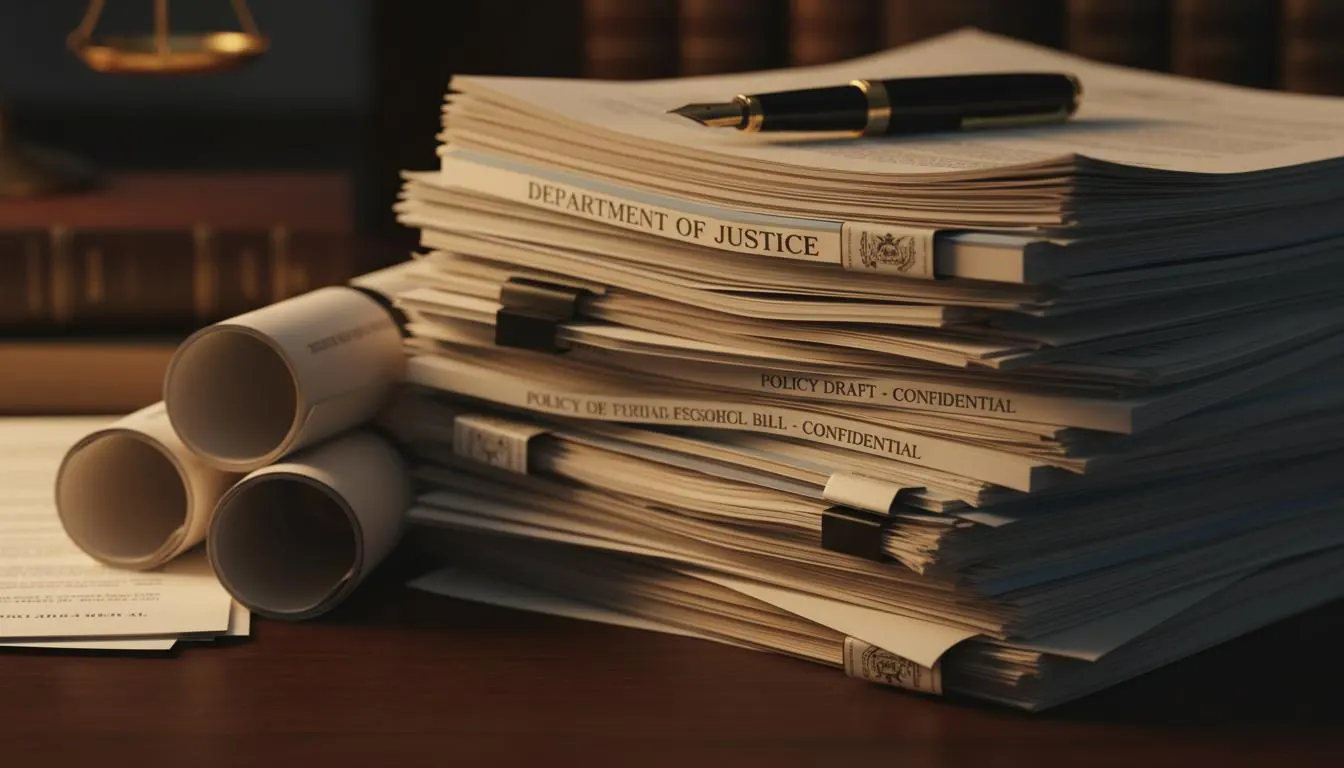
In 2025, Arizona lawmakers passed Senate Bill 1507 creating the state's first Independent Correctional Oversight Office. The bill was sponsored by Republican State Senator Shawnna Bolick and co-sponsored by Representative Walt Blackman. It passed both chambers with wide margins. But the version Governor Hobbs signed did not include the $1.5 million in state funding. Bolick said the governor struck the funding at the last minute. Blackman later said the decision effectively made the office "just a press release."
How Arizona Compares
According to the National Resource Center for Correctional Oversight, only about 20 states have independent oversight bodies for their prison systems. California has had an Office of the Inspector General since 2005. Arizona's incarceration rate of 710 per 100,000 people is among the highest in the nation. The state incarcerates more than 33,000 people. With that many people behind bars, the need for oversight is not abstract — it's urgent.
Conclusion: Accountability Is Not Optional
The Lewis Prison lock disaster was not inevitable. It was the result of choices — choices to underfund, to ignore, to look away. Andrew McCormick is dead because his cell door didn't lock. He is dead because officers had given up trying to enforce basic security. He is dead because for years, the people responsible for his safety knew the doors were broken and did nothing. His death was preventable. And so are the next ones.
The solution is not complicated. It is not expensive. It is not partisan. It is oversight — independent, transparent, accountable oversight that catches problems early, holds people responsible, and ensures that basic safety is not optional.
Take Action
The Lewis Prison lock disaster was preventable. Oversight — independent, transparent, accountable oversight — ensures that basic safety is not optional.
Demand Accountability: Use our Action Center to urge legislators to fund independent oversight. Help us prevent future tragedies by donating to Praxis Initiative.
Learn More: Read about our Systemic Reform efforts or contact us if you have a story to share.