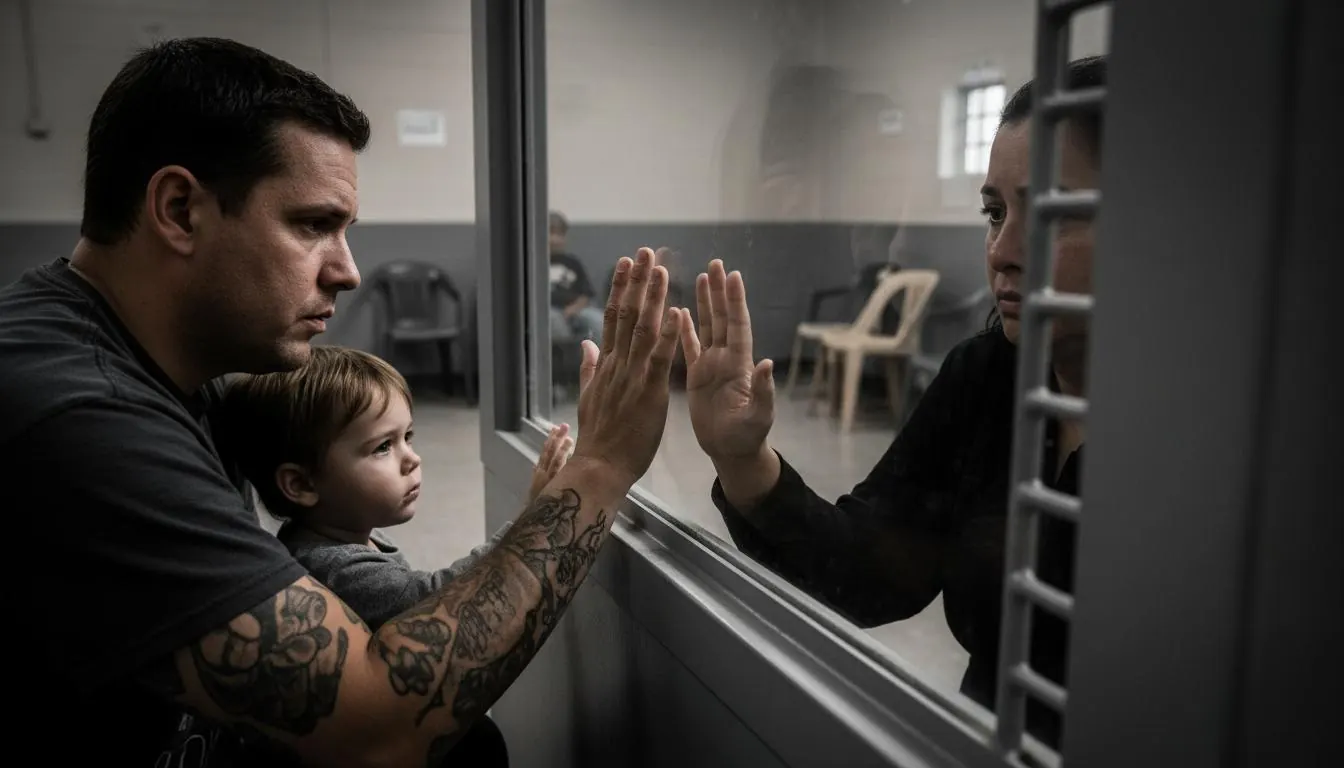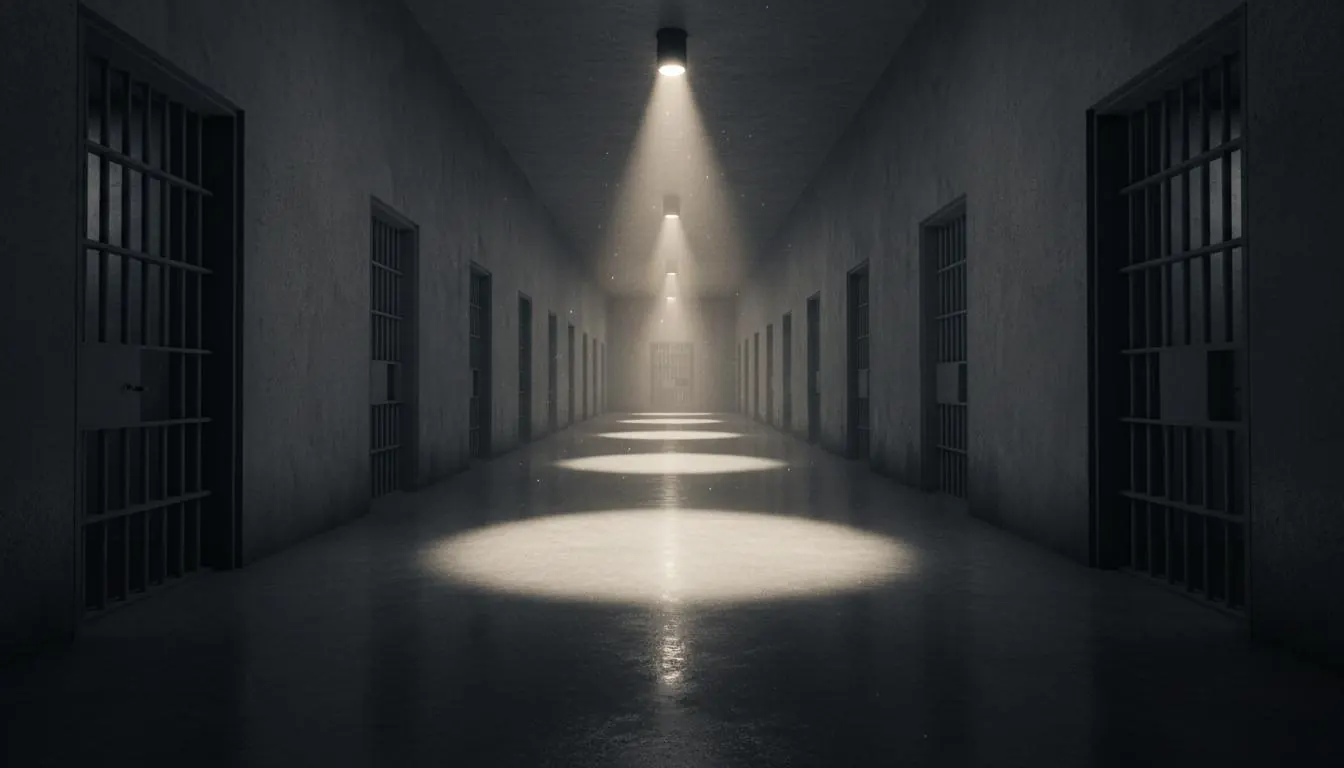
Arizona prisons hold more than 34,500 people behind walls and fences most Arizonans never see. No cameras go inside. No public inspections happen without warning. The only record of daily life comes from the people who live and work there. This report collects those records. It draws on firsthand accounts from currently and formerly incarcerated people, reports from families, filings and findings from the Jensen v. Thornell federal case, and official agency documents. It describes what people inside face in health care, housing, heat, staffing, mental health care, food, cost, and the grievance process.
Why This Report Exists
Closed institutions do not produce honest records on their own. Arizona Department of Corrections, Rehabilitation and Reentry (ADCRR) runs ten state prisons and contracts with private operators for additional beds. Each prison holds multiple units. Some units sit far from a city. Public access stops at the parking lot.
Inside, life runs on paper forms. A person who needs a doctor files a Health Needs Request. A person who needs help with a broken toilet files a grievance. A person who fears for safety files an Informal Complaint. These papers go to staff employed by the same agency named in the complaint. No outside office tracks whether the form gets an answer. No outside office checks whether the answer matches reality.
Public records requests face delay, denial, and heavy redaction. Family phone calls to administration go unreturned. Press requests for tours get controlled routes and staged views.
Firsthand accounts fill this gap. People who served time inside Arizona prisons know where water leaks, where air fails, where medicine stops, where locks break. Their memories hold detail no press release includes. When many people, in different prisons, at different times, describe the same pattern, you see a system at work, not a single bad day.
Healthcare: The Jensen Litigation and Daily Reality
Arizona prison health care has a long history in federal court. In 2012, people incarcerated in ADCRR filed Parsons v. Ryan. The suit alleged unconstitutional denial of medical, dental, and mental health care. A class action followed. In 2015, ADCRR settled and agreed to meet over 100 performance measures for care. For years, the court found ADCRR out of compliance.
Judges described delays leading to permanent injury and death. Experts documented cancer going untreated, infections left to spread, and people with diabetes denied insulin. The court held ADCRR in contempt.
In 2022, the parties entered a new agreement, now called the Jensen v. Thornell consent decree after the lead plaintiff and the current ADCRR director. Under the decree, an outside monitor and medical experts inspect care. They issue public reports. The court retains power to enforce.
Sick call. To see a provider, a person submits a Health Needs Request, called an HNR. Accounts describe HNRs going unanswered for weeks. Some people file three or four HNRs for the same issue before getting seen. When seen, the visit lasts minutes. Providers rotate often. Continuity breaks.
Chronic care. People with asthma, diabetes, hypertension, hepatitis C, and heart disease need regular labs, refills, and follow up. Accounts describe missed labs, expired prescriptions, and refills arriving days after medication runs out. One returning citizen described going 11 days without blood pressure medication after a transfer between units.
Emergency response. Accounts describe long waits after pushing an emergency button. In some units, people bang on doors to get officers to call medical staff. Officers then wait for medical staff to arrive from another complex. Night shifts bring the longest delays.
Physical Plant and Safety: Buildings, Locks, and Heat
Many ADCRR facilities opened decades ago. Florence, Eyman, Perryville, and Douglas include buildings from the 1970s and 1980s. Plumbing fails. Roofs leak. Electrical systems strain under extra load. Maintenance backlogs grow.
In 2019, reporting revealed broken locks at Lewis prison. Cell doors failed to lock. Some doors opened when hit or pushed. People slept in cells they could not secure. Officers could not secure yards. Violence rose. Broken locks were not isolated to Lewis. Accounts from other complexes describe similar problems at different times. A lock fails, a work order goes in, staff wedge a door or add a padlock, months pass. A lock is more than hardware. It decides whether a person sleeps, uses a toilet, or avoids an assault. When locks fail, the agency loses basic control of safety.
Extreme Heat. Most Arizona prison housing units lack air conditioning. Coolers or swamp cooling units lower temperature a few degrees, but interior heat often rises above 100 degrees in summer. Metal bunks hold heat. Concrete radiates it. Heat harms everyone. It harms people on psychiatric medications more. Many psychotropic drugs reduce the body's ability to regulate temperature. People taking these drugs face higher risk of heat stroke, fainting, and heart stress. They often lack access to cool water or shade. Accounts describe limited ice, warm drinking water from taps, and windows with no airflow. People soak shirts in toilet water to stay cool.
Staffing: Vacancy, Overtime, and Harm on Both Sides
ADCRR reports high vacancy rates for correctional officers. Precise numbers shift by month and complex. Legislative hearings in 2023 and 2024 put statewide officer vacancy near 20 to 30 percent, with some rural complexes higher. To cover empty posts, officers work mandatory overtime, often 16-hour shifts. Some work six or seven days in a row. Fatigue grows. Tempers shorten. Training time shrinks.
Understaffing harms people who are incarcerated and officers alike. For incarcerated people, fewer officers means slower response to emergencies, more lockdown time, less access to programs, and more time locked in cells. For officers, fewer staff means less backup in a fight, less time for training, and less chance to build professional relationships with people on their units. Morale drops. Turnover rises. The cycle repeats.
Mental Health and Solitary Confinement
ADCRR uses several forms of restrictive housing. Names change, but patterns hold. Detention, restrictive status housing, maximum custody, and mental health watch units all hold people in cells 22 to 24 hours a day. Court records and monitor reports describe people with serious mental illness spending months or years in these conditions. Cells often have little natural light. Conversation comes through vents or under doors. Out-of-cell time gets canceled when staffing falls short.
Restrictive housing worsens mental illness. Isolation raises anxiety, depression, and psychosis. It increases self-harm. When people leave restrictive housing directly to the community without step-down support, outcomes get worse, including overdose and suicide risk. Accounts describe a loop: a person with untreated mental illness acts out, staff write a disciplinary, the person moves to detention, mental health access drops, symptoms worsen, another disciplinary follows.
The Grievance System: How Complaints Work on Paper and Fail in Practice
On paper, ADCRR has a multi-step grievance system. A person files an Informal Complaint, then a Formal Grievance, then an Appeal to the director. Policy sets deadlines for responses. In practice, accounts describe a different system. Grievances disappear. Papers get returned for technical reasons: wrong form, wrong date, extra page. A person files again and misses the deadline because of the first delay. Staff screen grievances before they reach a supervisor.
Retaliation fears run strong. People describe losing jobs, getting moved to a worse unit, or facing a disciplinary after filing a grievance. Whether each account meets legal proof of retaliation, fear alone silences complaints. No outside office tracked grievances before 2025. ADCRR investigated itself. Data on outcomes rarely reached the public. Patterns stayed hidden.
What Changes Now
Oversight works only if people use it. Independent oversight exists now because Arizonans refused to accept closed doors as final.
Report Conditions: If you or a loved one face medical neglect or unsafe conditions, contact Praxis Initiative. We document conditions and connect families to resources.
Support the Work: Help us continue to expose system failures by taking action at our Action Center or by making a donation today.